
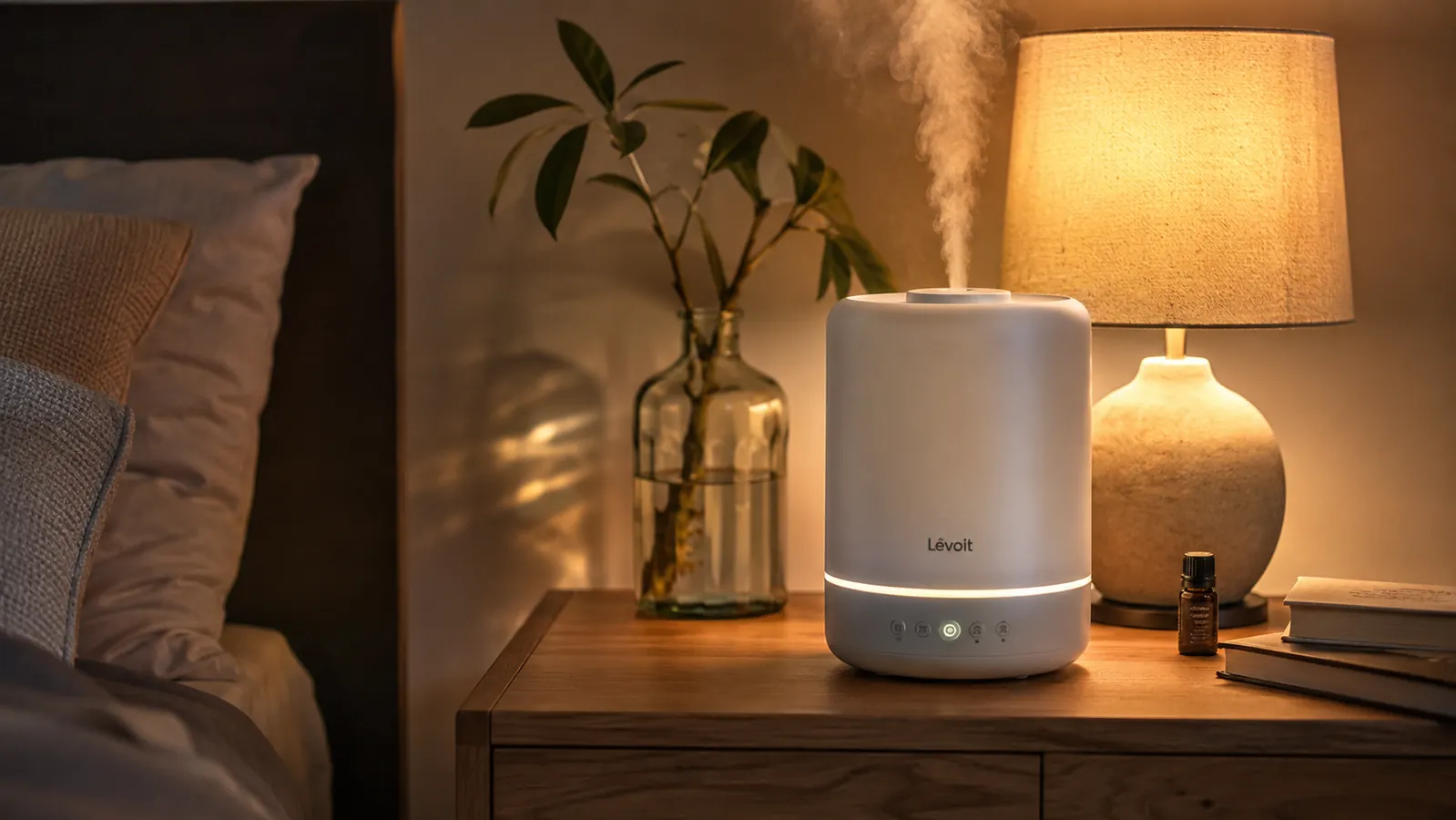
I've bought three humidifiers in the last five years. One died after four months with a burning-plastic smell I never want to smell again. One grew a ring of pink mold inside the tank that I didn't notice until I unscrewed the lid one Sunday and nearly gagged. The third just stopped misting one day for no reason I could find. So when I ordered the AquaOasis Cool Mist Humidifier last October, I wasn't hopeful. I was tired, my lips were cracking from dry winter air, and I figured this was just round four of the same disappointment.
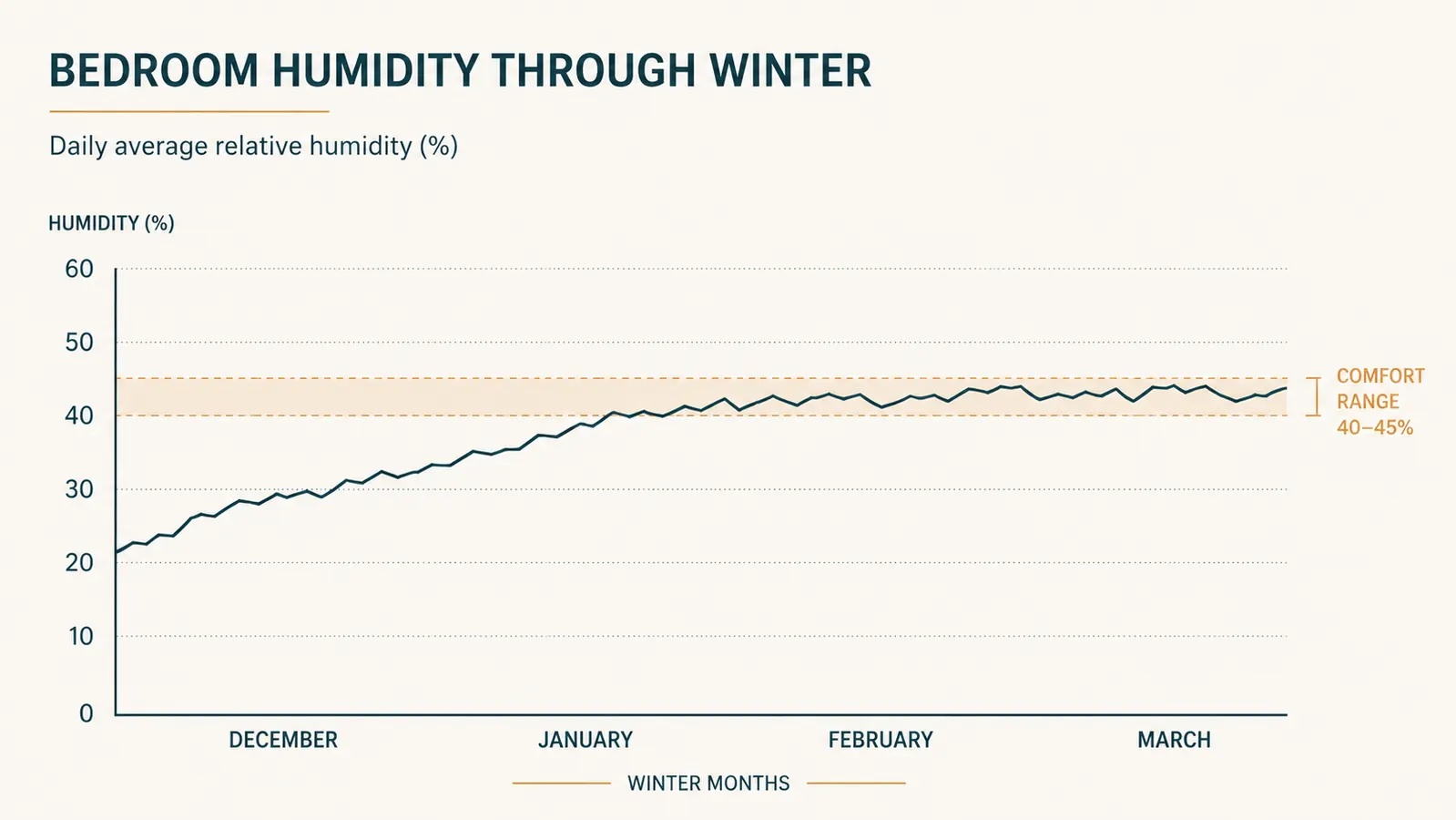
It wasn't. But it also wasn't the flawless fix the Amazon reviews made it sound like, and I think that gap between the five-star hype and the actual day-to-day experience is worth talking about honestly. I ran this thing every single night for four months in my bedroom, a mid-size room that consistently drops to around 22 percent humidity in the dead of winter, and I paid attention to the stuff nobody mentions until you've lived with it.
The Quick Verdict
It genuinely raised my bedroom humidity and stayed quiet enough to sleep through, but it needs distilled water and real weekly cleaning to stay that way.
Amazon Check Today's Price →The humidifier that finally didn't grow something in the tank by week three
See the current price and tank details for the AquaOasis Cool Mist Humidifier on Amazon.
Amazon Check Today's Price on Amazon →How I Actually Tested This
I didn't just plug it in and vibe-check the room once. I bought a cheap digital hygrometer for twelve dollars and put it on the dresser across from the humidifier, and I logged the humidity reading every morning for four months, alongside notes on noise, water level, and whether I woke up with the usual dry-throat scratch. That's the same habit I use for every sleep product I test, because my own memory of "did that actually help" is unreliable after a long week.
I ran the tank on the medium mist setting most nights, refilling it every one to two days depending on how dry the room was, and I deliberately did not baby it. I wanted to know what happens if you're a normal, slightly lazy person who doesn't clean it every single day like the manual suggests. So for the first six weeks I cleaned it about once a week, which is honestly closer to how most people actually treat a humidifier.
By week three, my hygrometer readings had climbed from that grim 22 percent baseline to a steady 38 to 45 percent overnight, which is squarely in the range doctors recommend for a bedroom. That part worked, and it worked faster than I expected. But the once-a-week cleaning habit is exactly where the honest problems started showing up, and that's where most of this review lives.
The dry-throat mornings were the clearest signal for me personally, more than the hygrometer numbers. Before the humidifier I was waking up two or three times a week needing water in the middle of the night and reaching for a lip balm before I even opened my eyes. By week two that dropped to maybe once every ten days, and by the end of the four months it had basically stopped unless the tank ran dry overnight. I logged it in a plain notes app, nothing fancy, just a quick tally each morning so I wasn't relying on vague memory of "I think I slept better."
The White Dust Nobody Warns You About
Here's the thing the product listing does not lead with: if you use regular tap water in an ultrasonic humidifier like this one, you will get white dust. It's mineral residue from the calcium and magnesium in your tap water, and the ultrasonic disc vibrates it into a fine powder that settles on your nightstand, your dresser, and anything else nearby. I noticed it on my phone case within the first week and genuinely thought something was wrong with the unit.
It wasn't broken. It was just doing exactly what ultrasonic humidifiers do with hard water, and nowhere in the box or the quick-start card does it say this in plain language. I switched to distilled water in week two and the dust disappeared almost entirely, down to an occasional faint film I only notice if I run a finger across the nightstand after several days. If you live somewhere with hard water, which is most of the country, budget for distilled water or a demineralization filter, because tap water alone will leave a mess you didn't sign up for.
The cost adds up faster than I expected too. A gallon of distilled water runs me about a dollar, and at roughly a liter and a half of usage most nights, I'm buying a new gallon every four or five days through the driest stretch of winter. It's not expensive exactly, but it's an ongoing cost the marketing photos conveniently never mention, and it's worth knowing before you buy rather than discovering it three weeks in like I did.
It also changed how I arrange the room, which felt silly to admit at first. I moved my phone charger, my glasses, and anything with a screen or a lens a good two feet away from the humidifier after that first dusty week, just to keep the residue off them. If your nightstand is small and crowded the way mine was, plan on either switching to distilled water immediately or accepting that you'll be wiping down nearby surfaces more often than you'd like.
Cleaning Is Not Optional, and the Manual Undersells How Often
I mentioned I started with weekly cleaning. By week four, when I finally unscrewed the base to do a deeper clean, there was a faint slimy film starting on the ultrasonic disc, the kind of biofilm that precedes actual mold if you let it go. It wasn't dangerous yet, but it was a clear signal that once a week isn't often enough, especially if you're not using distilled water or you're running it daily like I was.
After that I switched to a real routine: full water dump and rinse every single day, a vinegar soak on the tank every three days, and a cotton-swab cleaning of the ultrasonic disc weekly. That sounds like a lot because it is a lot, more than I was mentally prepared for when I bought this expecting a set-it-and-forget-it device. Once I committed to the routine, I never had the slimy-film problem again, but it did turn this into a small daily chore rather than a truly passive appliance.
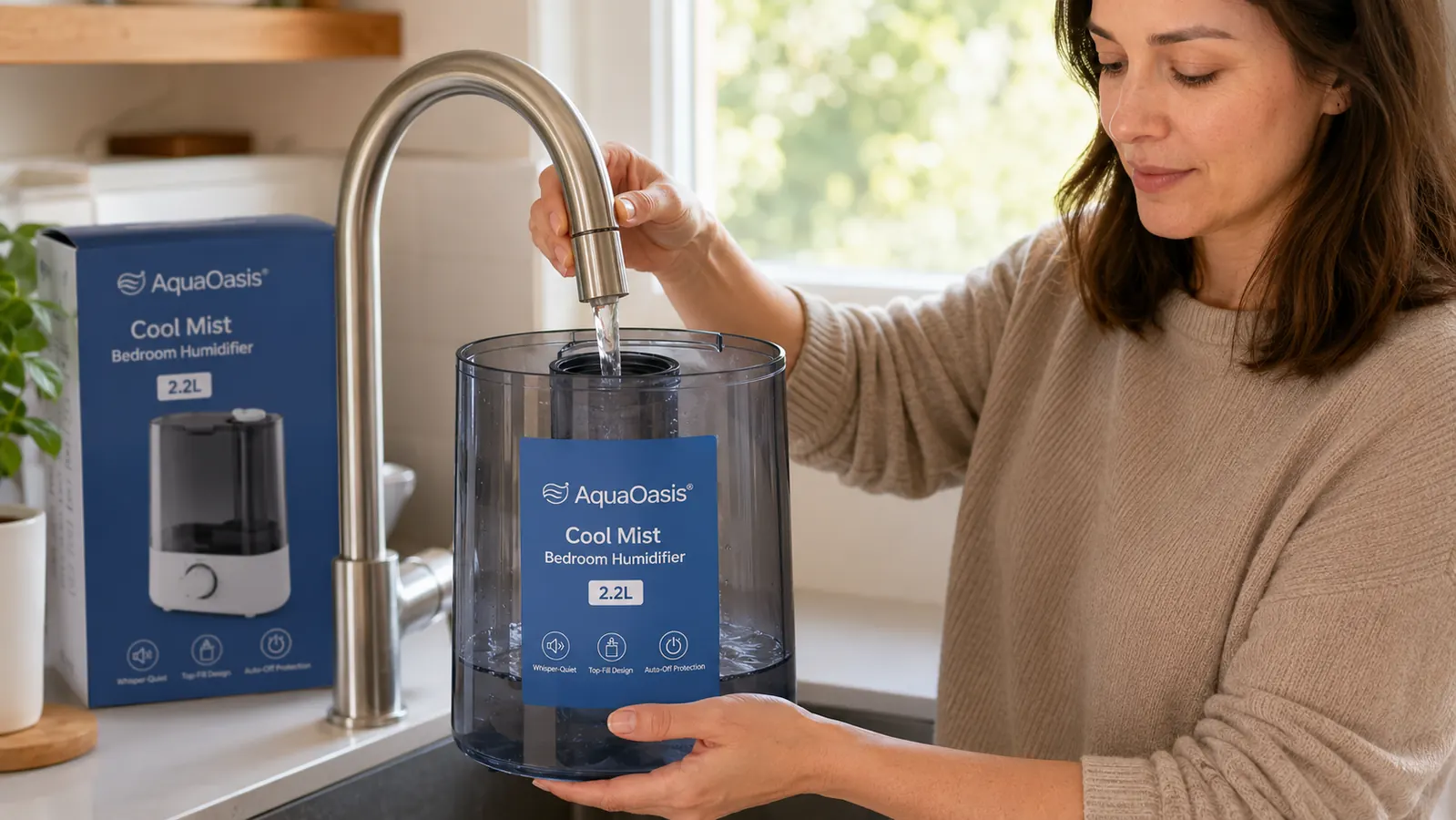
The tank shape actually helps here more than my previous humidifiers did. It's a wide-mouth top-fill design, so I can get my whole hand and a sponge inside to scrub the corners, which was impossible with my old bottle-style unit that had a narrow neck I could never properly reach. That design choice is the single biggest reason I stuck with the cleaning routine instead of giving up on it after a month, so credit where it's due.
One thing that surprised me is how quickly a musty smell shows up if you skip even two days of rinsing. I tested this on purpose during a busy work week, let the same water sit for three days without a change, and the mist that came out had a faint stale-pond edge to it that I did not enjoy breathing in all night. A quick dump and rinse fixed it immediately, but it confirmed that this is not a machine you can neglect for a stretch and expect to smell fine when you come back to it.
Is It Actually Quiet, or Is That Just Marketing
"Whisper quiet" is printed on basically every humidifier box in existence, so I went in assuming it was marketing noise, pun intended. On the low setting, it's genuinely close to silent, just a faint hum I stopped noticing within a few nights. On medium, where I ran it most of the winter, there's a soft, steady white-noise-adjacent whir that I'd describe as background fan noise, not silent, but not disruptive either.
High setting is where the marketing claim gets shakier. It's noticeably louder, closer to a low box fan, and I only used it on the two or three nights the room got below 20 percent humidity and I wanted faster results. My husband, who wakes up if a car door shuts two streets over, said he didn't notice it on low or medium but could hear it on high with the bedroom door open. So the quiet claim holds up for the settings you'll actually use most nights, just not universally across the whole range.
I also ran it for a few nights in my niece's nursery when I was babysitting over a long weekend, mostly out of curiosity about whether it was quiet enough for a baby's room, not just a grown adult's. On low, it never woke her during two separate naps I tested it through, which lines up with what I found in my own room. I wouldn't call that a scientific baby-sleep study, but for anyone shopping with a nursery in mind, low setting is the one to trust, not high.
Where It Falls Short
The tank capacity is smaller than the 2.2 liters sounds like it should be in practice. On medium mist in a genuinely dry room, I got roughly 14 to 16 hours out of a full tank, not the 20-plus hours some listings imply. That meant more mornings than I'd like waking up to a dry, silent unit around 4 or 5 a.m., after the humidity had already started creeping back down. If you sleep long hours or want true overnight coverage, you may need to top it off before bed even if it looks full.
The remote control that comes with it is small, plasticky, and easy to lose in bedding, which happened to me twice in the first month before I started keeping it in the nightstand drawer. It also requires a direct line of sight to the unit's sensor, so if you tuck the humidifier behind a lamp or plant like I initially did for aesthetics, the remote stops working reliably and you're back to reaching over and pressing buttons on the base.
Essential oils are the last honest gap. The listing doesn't explicitly promise aromatherapy, but plenty of buyers assume any mist humidifier doubles as a diffuser. It doesn't, at least not safely. Ultrasonic units like this one aren't built for oils, and putting them in the tank can degrade the ultrasonic disc over time. I tested one drop of lavender oil once out of curiosity, regretted it within a week when the mist output visibly weakened, and switched to a separate dedicated diffuser for scent instead.
The power cord is shorter than I expected too, just under five feet, which was fine for my nightstand right next to an outlet but became a real problem when I tried moving the unit to my home office for a few days during a particularly dry stretch. I ended up needing an extension cord, which nobody wants snaking across a floor near water. If your nearest outlet is more than a few feet from where you want the humidifier, plan for that ahead of time.
What I Liked
- Raised my bedroom humidity from 22 percent to a steady 38-45 percent within three weeks
- Genuinely quiet on low and medium settings
- Wide-mouth tank design makes real cleaning possible, unlike narrow-neck competitors
- 2.2L tank is easy to lift and fill at the sink without spilling
- Auto shutoff when the tank runs dry, so it never ran the motor empty on me
Where It Falls Short
- Tap water causes visible white mineral dust without a filter or distilled water
- Needs daily rinsing and a vinegar soak every few days to avoid biofilm buildup
- Real-world runtime on medium is closer to 14-16 hours, not a full night at higher settings
- High setting is noticeably louder despite the whisper-quiet marketing
- Not safe for essential oils despite what buyers commonly assume
- Power cord is short, around five feet, which limits placement near an outlet
It didn't fix dry winter air by magic. It just gave me a machine that actually does what it says, as long as I'm willing to clean it like I mean it.

Who This Is For
If you live somewhere with genuinely dry winters, wake up with cracked lips or a scratchy throat, and you're willing to put in a few minutes of cleaning most days, this is a solid pick. It's also a good fit if you've been burned by a cheap humidifier that stopped misting or grew mold within a season, since the wide-mouth tank and auto shutoff address both of those failure points directly. Light sleepers who need something quiet on low or medium will likely be fine here too, and it held up fine for a nursery in the short test I ran.
Who Should Skip It
Skip this one if you want a true set-it-and-forget-it appliance, because the cleaning routine is real and skipping it leads to the same slimy-buildup problem every ultrasonic humidifier eventually has. It's also not the right pick if you were hoping to double it as an essential oil diffuser, or if your room regularly needs more than 14 to 16 hours of continuous mist without a refill. And if you're not willing to switch to distilled water, the white mineral dust will bother you within the first two weeks.
Still deciding? See the tank design and current price for yourself
Check today's price, tank capacity, and real buyer photos for the AquaOasis Cool Mist Humidifier on Amazon.
Amazon Check Today's Price on Amazon →